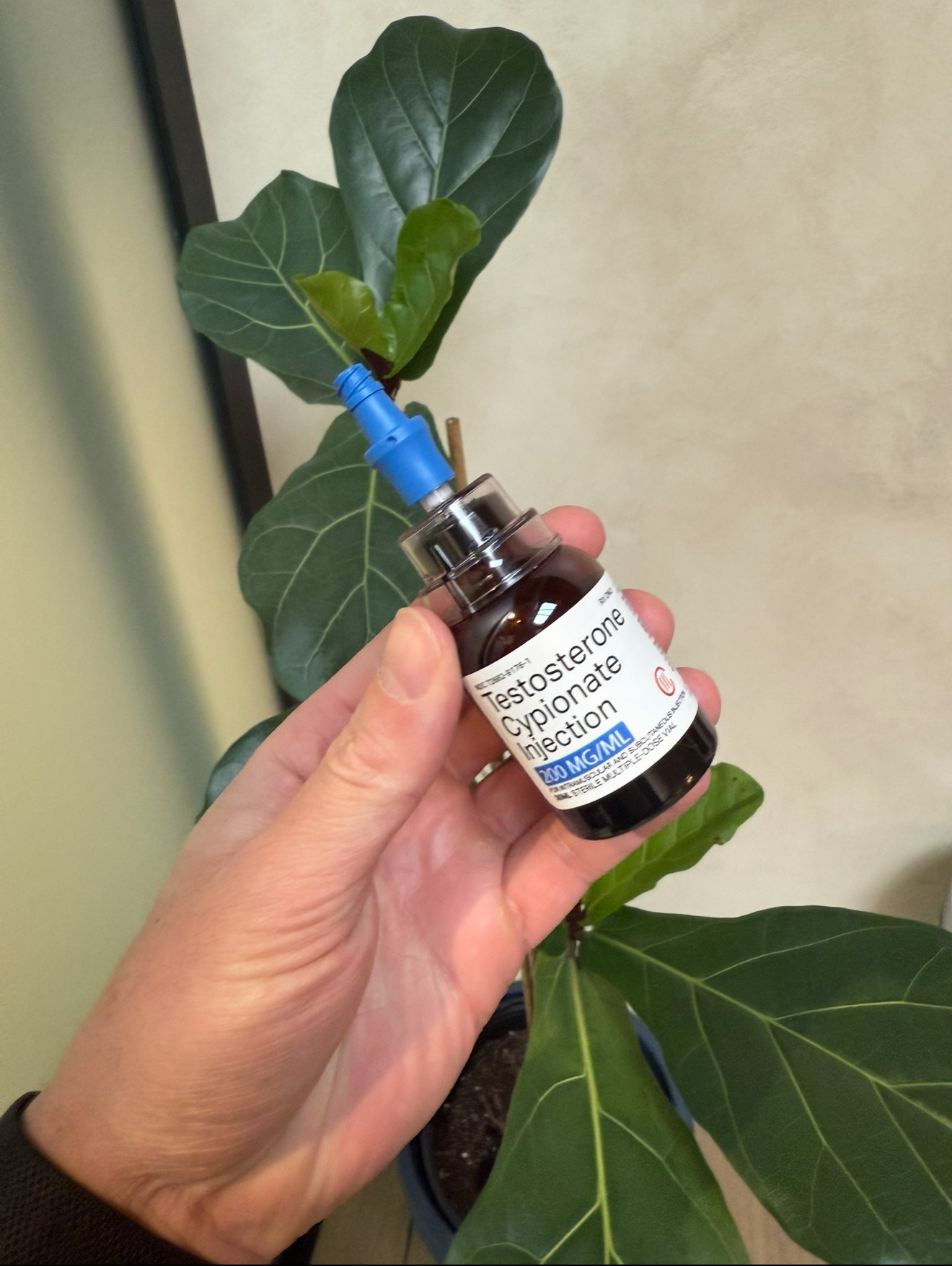
Testosterone is one of the most critical hormones in the human body, playing a significant role in both physical and mental health. While it’s often associated with male health, testosterone is essential for everyone, though men typically have higher levels. For individuals with low testosterone levels, which can occur due to aging or other health conditions, testosterone replacement therapy (TRT) can be a game-changer. This blog explores how testosterone replacement therapy TRT supports muscle development and mood enhancement, backed by scientific insights and trending health statistics.
Understanding Testosterone and Its Importance
Testosterone is a hormone primarily produced in the testes for men and the ovaries and adrenal glands for women. It is instrumental in a range of bodily functions, such as:
• Supporting the growth of muscle and bone density
• Regulating mood and energy levels
• Enhancing libido and sexual function
• Promoting the production of red blood cells
However, testosterone levels naturally decline as individuals age. Some studies reveal that men experience a decrease in testosterone levels of about 1% per year after the age of 30. For some individuals, this decline has more pronounced effects, impacting their quality of life. This is where TRT comes into play, offering a way to restore hormonal balance and improve overall well-being.
The Muscle-Building Benefits of TRT
One of the most well-known benefits of testosterone is its impact on muscle growth and physical performance. Research consistently links increased testosterone levels with improved muscle mass and strength. Here’s how TRT supports muscle development:
Increased Protein Synthesis
Testosterone facilitates protein synthesis, which is a key process in building muscle. By enhancing this process, TRT allows the body to repair and grow muscles more efficiently after exercise or physical strain. This means individuals undergoing therapy often find it easier to achieve their fitness goals compared to those with lower testosterone levels.
For instance, studies have shown that patients on TRT experience significant improvements in muscle dimensions within just a few months of starting treatment. This makes TRT particularly beneficial for individuals struggling with age-related muscle loss, a condition known as sarcopenia.
Enhanced Exercise Efficiency
Low testosterone levels can reduce energy and endurance, making it difficult to maintain a consistent workout routine. TRT helps combat this by boosting energy levels, enabling individuals to exercise longer and more effectively. Testosterone has been shown to enhance recovery times, meaning patients are less likely to experience excessive soreness or fatigue after their workouts.
Reduced Fat Retention
Higher testosterone levels encourage the body to burn fat more efficiently. Patients on TRT often report leaner physiques, as balanced testosterone levels help the body regulate fat storage and improve metabolism. This complements the muscle-enhancing benefits of TRT, contributing to a well-toned and healthier appearance.
The Positive Effects of TRT on Mood and Emotional Well-being
While the physical advantages of TRT are widely recognized, its emotional and psychological benefits are just as significant. Low testosterone levels are often linked to mood disorders such as depression, anxiety, and irritability. Here’s how TRT can help improve emotional well-being:
Alleviating Symptoms of Depression
Numerous studies have found correlations between low testosterone levels and clinical depression. Patients undergoing TRT frequently report improvements in their overall mood and a reduction in depressive symptoms. This might be due to testosterone’s role in regulating neurotransmitters like serotonin, which influence feelings of happiness and relaxation.